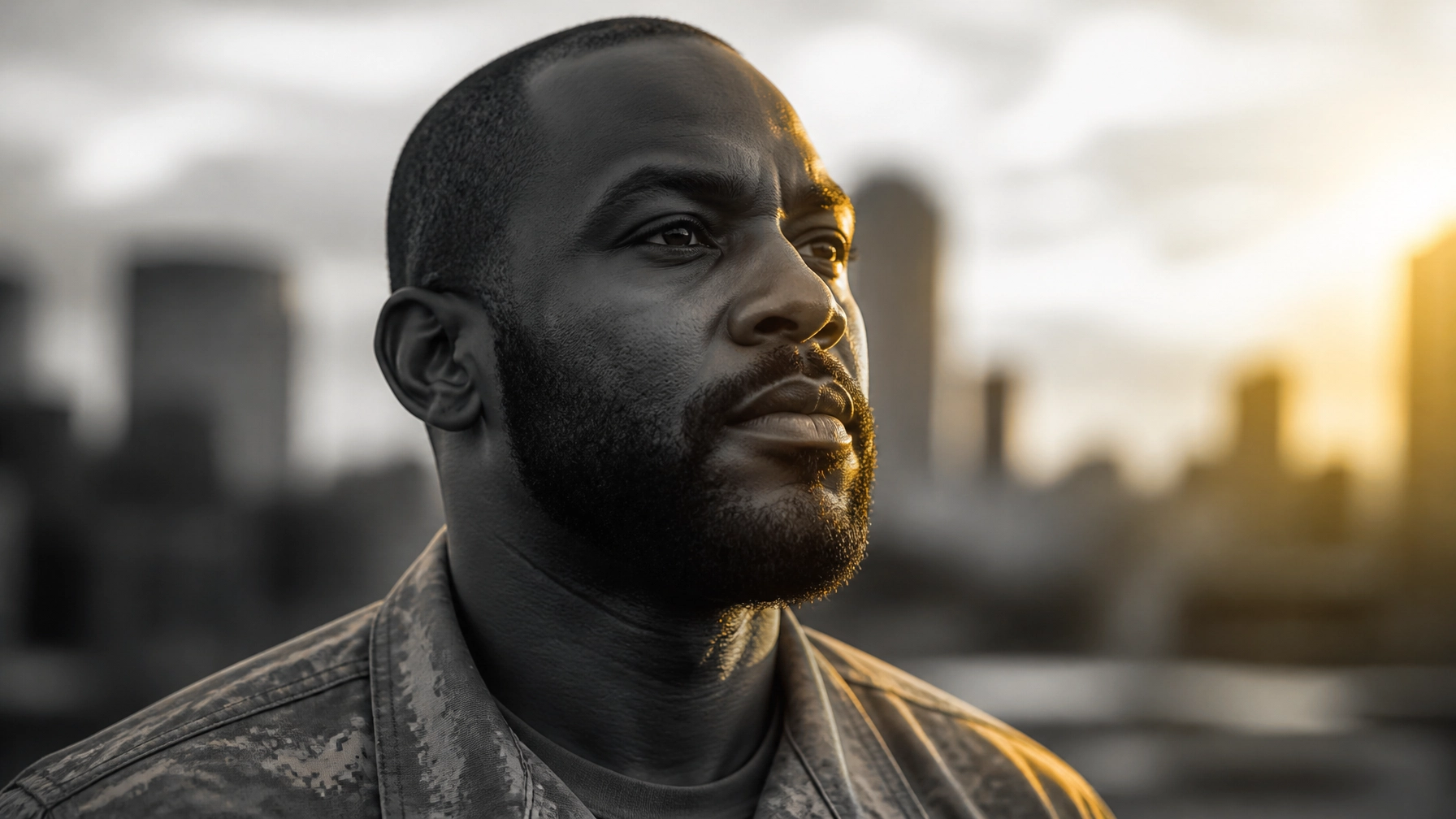
For decades, the standard narrative of military trauma has been centered almost exclusively on Post-Traumatic Stress Disorder (PTSD). We have been told that our nightmares, our hyper-vigilance, and our startled responses are purely the result of a biological fear response: a glitch in the nervous system’s fight-or-flight mechanism. However, this clinical focus misses a profound and often more devastating reality. For many of us, the weight we carry is not just a psychological reaction to danger; it is a spiritual crisis of conscience.
The clinical world calls it a "psychosomatic response," but in our community, we know it by its true name: a soul wound. This is what we refer to as moral injury. While your VA doctor may be equipped to treat the symptoms of a triggered brain, they are often ill-prepared to address the fracture in your spirit.
What is Moral Injury?
To understand the depth of this struggle, we must first answer the fundamental question: what is moral injury? Unlike PTSD, which is rooted in fear and the threat of physical harm, moral injury veterans experience a deep psychological and spiritual wound that arises when war-related experiences violate their core moral beliefs. It is the lasting impact of witnessing, failing to prevent, or perpetrating acts that transgress deeply held moral values.
In the clinical setting, moral injury is often treated as a subset of trauma, yet its core features are distinctly moral and ethical: intense shame, guilt, remorse, and a profound sense of betrayal. It is a damage done to one’s internal moral compass. When a soldier is forced to make a split-second decision that conflicts with their upbringing, their faith, or their humanity, the resulting internal conflict does not simply disappear with time or traditional therapy. It lingers as a persistent accusation against the self.
The Soul Wound: Why the Clinical System Falls Short
The Department of Veterans Affairs and the broader medical community have made strides in recognizing moral injury, yet they remain tethered to a secular framework. They view the individual as a biological machine to be recalibrated rather than a spiritual being in need of reconciliation. When a veteran of color speaks of feeling "unclean" or "abandoned by God," the clinical response is often to categorize these as "cognitive distortions."

But for the Christian Veteran of Color, these are not mere distortions; they are spiritual realities. Our faith is not a peripheral hobby; it is the very bedrock of our identity. When we encounter faith and fortitude in the face of combat, we are engaging our souls. A soul wound requires "soul repair." It requires a vocabulary of sin, forgiveness, grace, and redemption: terms that are frequently absent from a standard therapeutic session.
The Intersection of Race, Faith, and Service
For veterans of color, the experience of moral injury is often compounded by a unique cultural disconnect. We often face a dual betrayal: the betrayal of the "moral right" during combat and the betrayal of the institutions we served when we encounter racial bias within the ranks.
Imagine the psychological and spiritual toll of serving a nation with absolute loyalty while that same nation’s systems treat you with suspicion or disdain. This is a common theme in our discussions on navigating faith, service, and identity. When a veteran of color experiences a morally injurious event, it is often filtered through a lens of historical and systemic injustice. The question becomes: How can I reconcile my service to a system that doesn't always see my humanity?
The moral injury is not just about what was done "over there." It is about the cultural disconnect we face "over here." When we return home, we often find ourselves in a society that lacks the spiritual infrastructure to help us carry our burdens. This is why many of us feel like strangers in our own land.
Urban Neo-Tribalism: Finding Healing in Community
Healing from a soul wound cannot be done in isolation. It requires what we call "Urban Neo-Tribalism." In the context of the veteran experience, this means building modern tribes centered around shared identity, culture, and faith within our city lives. We need a community that understands the specific pressures of being a Black or Brown veteran in a world that often demands we compartmentalize our experiences.

True healing comes when we can speak the truth about our "soul wounds" without fear of judgment. It comes from unity in the community and from the wisdom of those who have walked the path before us. It involves rituals of lament, the seeking of divine forgiveness, and the rebuilding of a moral identity that incorporates our service without being defined by its darkest moments.
Moving Toward Wisdom and Strength
If you are a veteran struggling with the weight of your service, understand that your pain is a testament to your humanity. You are not "broken" in the biological sense; you are wounded in the spiritual sense. Seeking help is not a display of weakness; it is a display of strength and honor. It is an act of preparation for the next chapter of your life.
The clinical path may offer you tools to manage your symptoms, but only a faith-centered approach can offer you peace for your soul. We must bridge the gap between "then" and "now," recognizing that our current struggles are part of a larger human narrative of sacrifice and redemption.

Take control of your own healing. Do not wait for a system that was not built for you to provide the answers your soul is crying out for. Reconnect with your faith, find your tribe, and begin the work of moral repair. You have served your country; now it is time to serve your own spirit.
Are you ready to address the wounds that go deeper than the skin? Join the conversation and find your tribe at urbanchristianvets.com. We are here to walk this path with you.
SEO Title Tag: Moral Injury Veterans: Understanding the Soul Wounds of Service
SEO Meta Description: Explore what moral injury in veterans really is. Learn why clinical treatments often miss the spiritual "soul wounds" and how veterans of color can find healing through faith and community.
Leave a Reply